Identify cancer signal, earlier.
By targeting a distinct molecular fingerprint, eccDNA-based liquid biopsy aims to capture disease signal that complements existing modalities.

CLEOMICS is pioneering a proprietary liquid biopsy solution that combines extrachromosomal circular DNA (eccDNA) with artificial intelligence, enabling earlier detection and more precise monitoring of cancer.
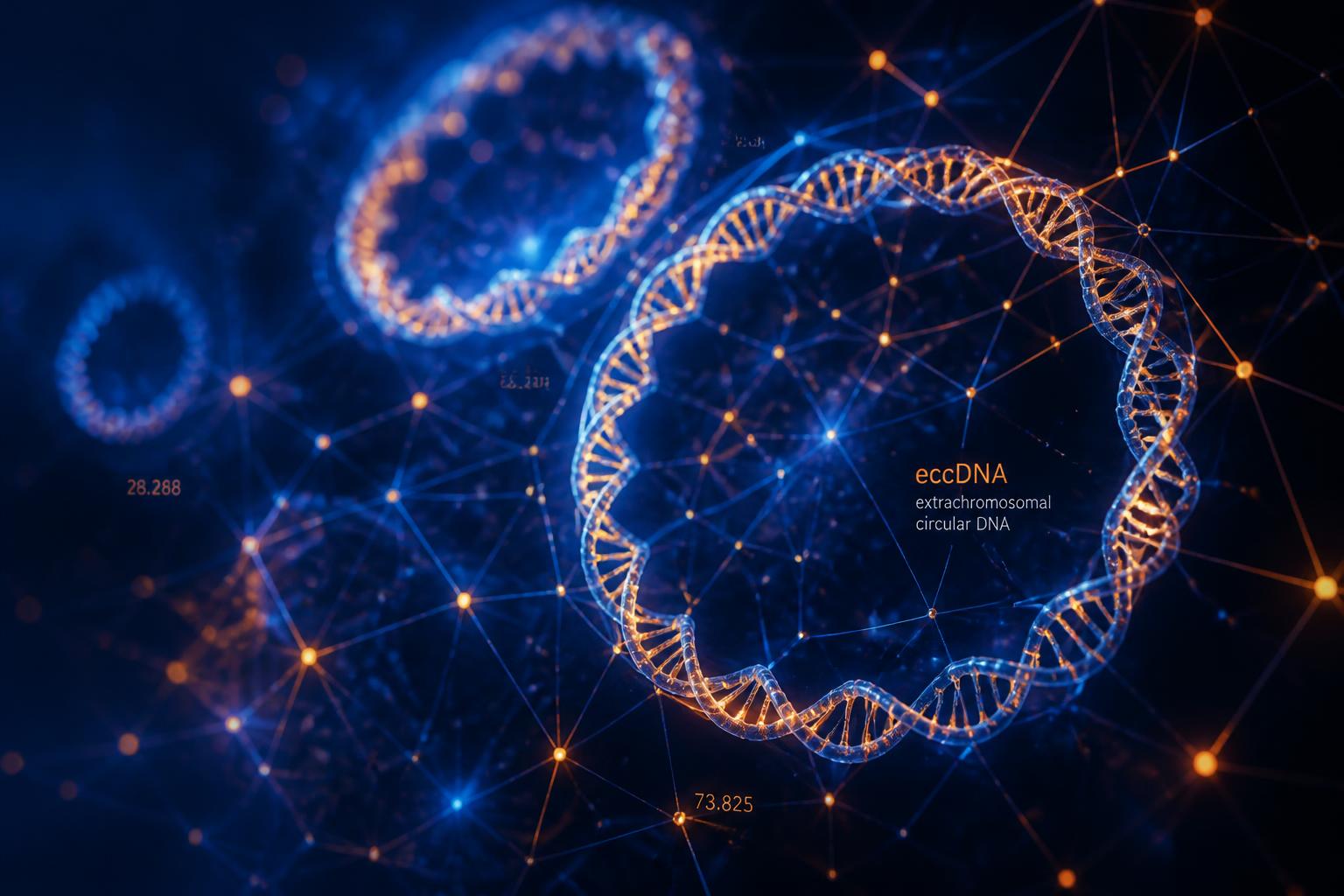
CLEOMICS combines specialized molecular biology, next-generation sequencing and proprietary AI to read a signal that has remained largely invisible to conventional liquid biopsy.
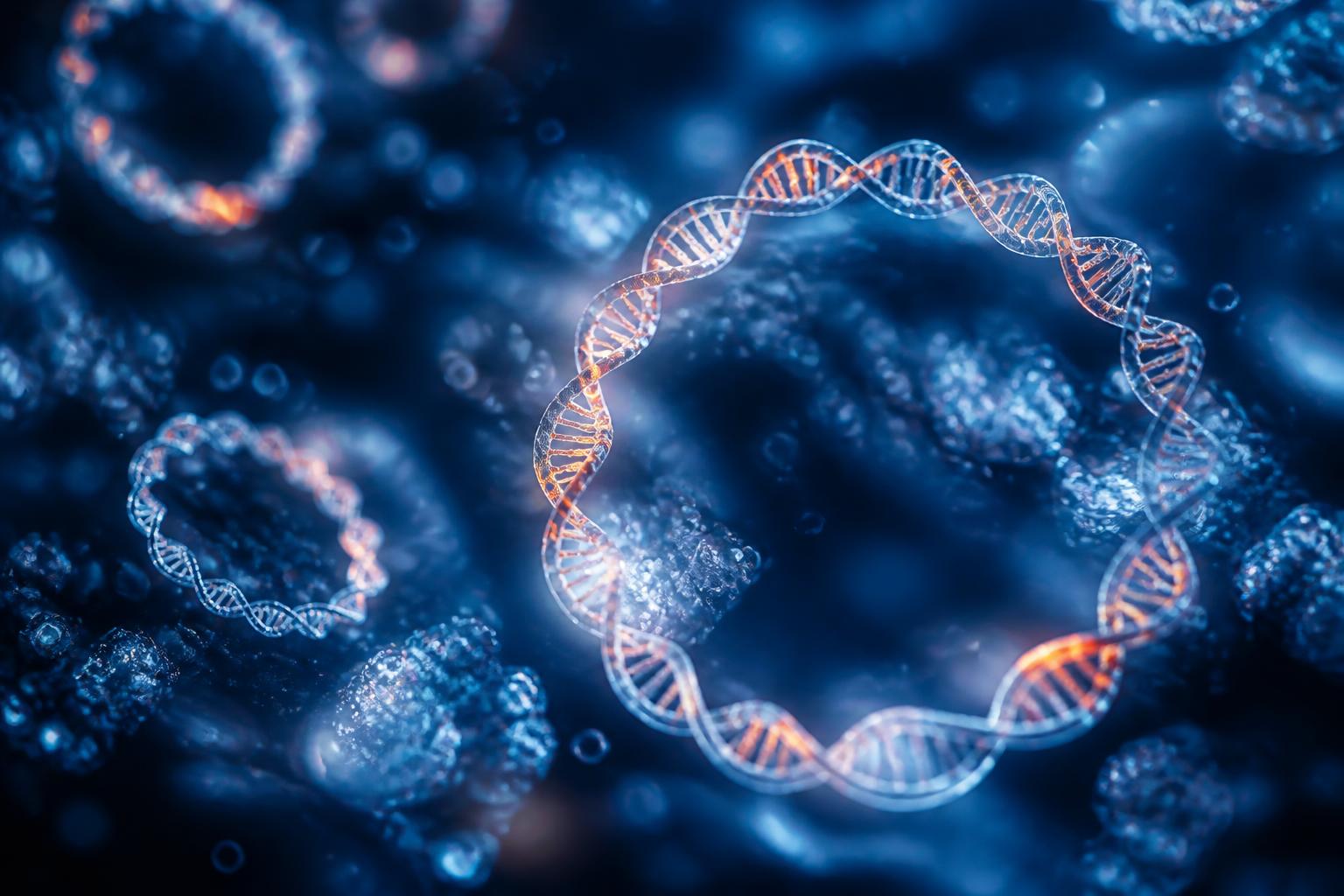
We focus on extrachromosomal circular DNA, small circular fragments of DNA that circulate in blood and carry information that linear cell-free DNA does not.
A specific molecular biology workflow isolates, amplifies and sequences eccDNA from a routine blood draw, with high specificity for the circular signal.
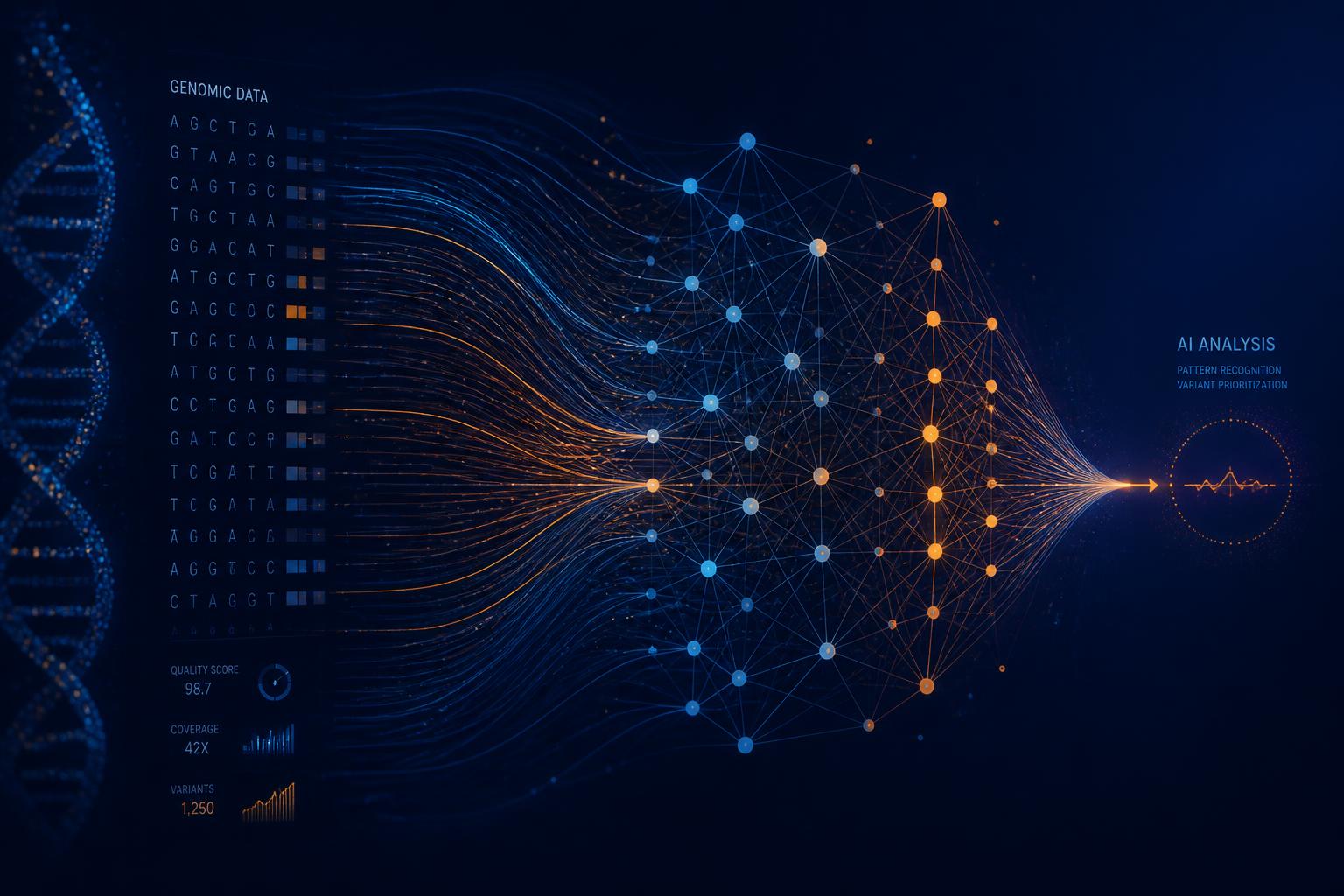
Our analytical engine learns the eccDNA fingerprint, separates tumor-derived signal from background, and turns raw sequencing data into clinically meaningful insights.
Our algorithms are trained specifically on the biology of extrachromosomal circular DNA: structural features, junction patterns, abundance dynamics. They were designed from the ground up for this signal, not adapted from mutation-calling pipelines.
Extrachromosomal circular DNA is no longer a curiosity. It is now seen as a biologically meaningful signal, and one that current diagnostics largely miss.
Most liquid biopsy approaches focus on point mutations or linear cell-free DNA fragments. eccDNA is a structurally distinct molecule with its own biology and its own information content.
eccDNA is increasingly recognized as a meaningful player in cancer biology, associated with oncogene amplification, tumor heterogeneity and treatment resistance.
Because it carries information that linear DNA does not, eccDNA opens a complementary diagnostic layer, one we believe will be central to next-generation precision oncology.
From a single blood draw to decision-grade information, without the limitations of invasive tissue biopsy.
By targeting a distinct molecular fingerprint, eccDNA-based liquid biopsy aims to capture disease signal that complements existing modalities.
Longitudinal eccDNA profiling is designed to track changes during treatment, providing a dynamic readout of biology rather than a single snapshot.
Structural and quantitative eccDNA features can enrich the data clinicians use to choose, adapt and evaluate therapy in a precision medicine framework.
The scientific basis of CLEOMICS originates from research conducted within a UPVD / CNRS / IRD laboratory, where eccDNA was demonstrated to be detectable, sequenceable and analyzable.
Marie Mirouze's research contributed to establishing eccDNA as a measurable biological signal. CLEOMICS translates this expertise into human oncology applications.
CLEOMICS is building a proprietary liquid biopsy solution combining wet-lab know-how, sequencing and AI, engineered to make eccDNA clinically actionable.
Our ambition is a category of diagnostics that helps detect cancer earlier and follows its biology in real time, throughout the treatment journey.
CLEOMICS brings together complementary expertise required to take a scientifically grounded discovery and turn it into a credible MedTech company.
CLEOMICS builds on long-standing scientific collaborations and a research heritage at the intersection of genomics, molecular biology and computational sciences.


Our approach is grounded in a growing body of literature on extrachromosomal circular DNA, from foundational characterization to its emerging role in cancer biology.
Comprehensive review of how extrachromosomal DNA arises and drives oncogene amplification, tumor heterogeneity and therapy resistance in cancer.
Foundational work showing that eccDNA can be specifically isolated and sequenced, establishing the methodological basis for circular DNA profiling.
Introduces a computational pipeline that reliably identifies eccDNA from sequencing data — a building block for AI-driven liquid biopsy analysis.
A complete list of references and ongoing scientific work is shared on request as part of partnership and investment discussions.